RFID traceability deployment for prostheses at Hospital X
RFID traceability deployment for prostheses at Hospital X
Kyubi Medical has reached a new milestone in improving hospital processes by deploying an advanced RFID traceability system for the handling of prostheses at Hospital X. The project has made it possible to keep exhaustive control of every prosthesis, from the moment it leaves the warehouse to its arrival in the operating theatre, ensuring that every movement is monitored in real time and that traceability is maintained at all times. The process and the benefits it has delivered to the hospital’s operations are set out below.
- RFID tagging of prostheses
The project begins by identifying each prosthesis with an RFID tag. Attached to every prosthesis, these tags hold key information such as the type of prosthesis, its serial number and the associated patient data where applicable. Thanks to these tags, the hospital can track the inventory and the exact location of every prosthesis across its facilities in real time.
- Removing prostheses from the warehouse
The process starts when a nurse or the doctor’s assistant needs to take one or more prostheses out of the warehouse for surgery. That person identifies themselves with a personal RFID card, which records the time and the warehouse access. Once inside, they select the prostheses required and the system automatically registers every item removed, guaranteeing precise control of what leaves the warehouse. The operation is fast and efficient thanks to the RFID readers positioned at the warehouse doors, which capture the details of the prostheses being removed with no manual intervention.
- Real-time traceability on the way to the operating theatre
Once the nurse or assistant has removed the prostheses, real-time traceability begins. Thanks to the RFID antennas installed along the route between the warehouse and the operating theatre, the location of the prostheses being carried can be monitored at all times. Every time the nurse or assistant passes one of these antennas, the system automatically registers it and updates the position of the prostheses in the central system.
This level of visibility lets medical staff know exactly where the prostheses are at any moment, which is key to improving operational efficiency and reducing waiting times in surgical procedures.
- Using the prosthesis in the operating theatre
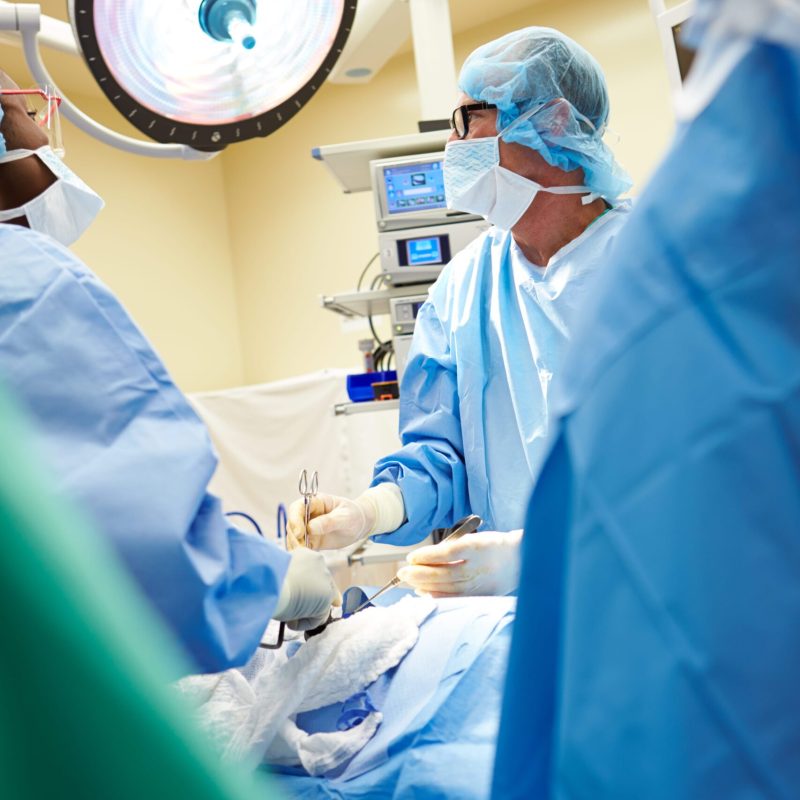
On arrival in the operating theatre, the doctor performs the procedure and selects the prosthesis to be used. At that point the selected prosthesis is scanned again by the RFID readers installed in the theatre, recording its use and linking it to the specific patient. Meanwhile, the remaining prostheses not used in the operation stay identified and under control, awaiting the next step in the process.
This strict control minimises errors in the use of materials and adds an extra layer of safety for the patient.
- Return to the warehouse and final check
Once surgery is complete, the nurse or assistant collects the unused prostheses and heads back to the warehouse. Just as on the way to the theatre, the RFID antennas across the hospital continue to monitor the location of the prostheses in real time. On arrival at the warehouse, the system automatically registers the returned items, updating the inventory in real time and ensuring that every prosthesis has been tracked from start to finish. This level of end-to-end traceability provides complete transparency, improving stock control and reducing the risk of losses or administrative errors.
- Key benefits of the RFID traceability system
Deploying the RFID system at Hospital X has proved a resounding success, delivering a series of key benefits:
- Real-time inventory control: the system ensures every prosthesis is fully monitored from the moment it leaves the warehouse to its use in the operating theatre or its return.
- Fewer human errors: automating the recording and monitoring process eliminates the possibility of manual errors in prosthesis handling.
- Improved operational efficiency: being able to follow the exact location of prostheses in real time allows medical staff to plan procedures better and reduce waiting times.
- Greater safety: with full control over the prostheses, the system guarantees that only the correct ones are used, improving patient safety.
- Optimised resources: real-time traceability helps prevent the loss of materials, ensuring all medical resources are managed efficiently.
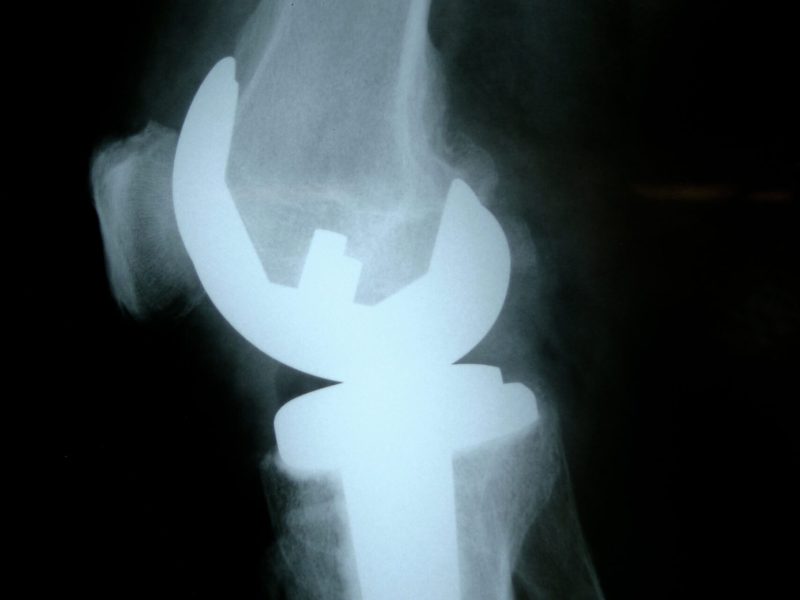
The success of the project delivered by Kyubi Medical at Hospital X shows how RFID technology can transform traceability and inventory control in the healthcare sector. By providing exhaustive control of prostheses at every step of the process, from the warehouse to the operating theatre, the system not only improves efficiency but also reinforces patient safety and optimises the use of medical resources.
Integrating RFID into hospitals is paving the way towards a more efficient and safer future in the management of medical equipment and critical supplies.
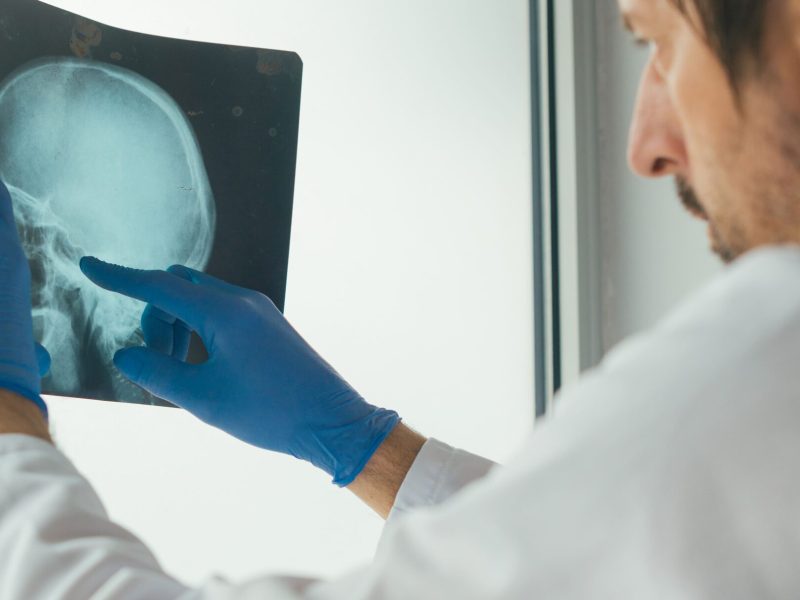
RFID solution for cranial prosthesis traceability at Hospital X.

- Address: Ctra. del Mig 54, 08907 L’Hospitalet, Barcelona, Spain
- Opening hours Monday to Friday, 08:00 - 18:00
- Phone: +34 932 61 53 00